What Makes Korean Traditional Clothing (Hanbok) Special?
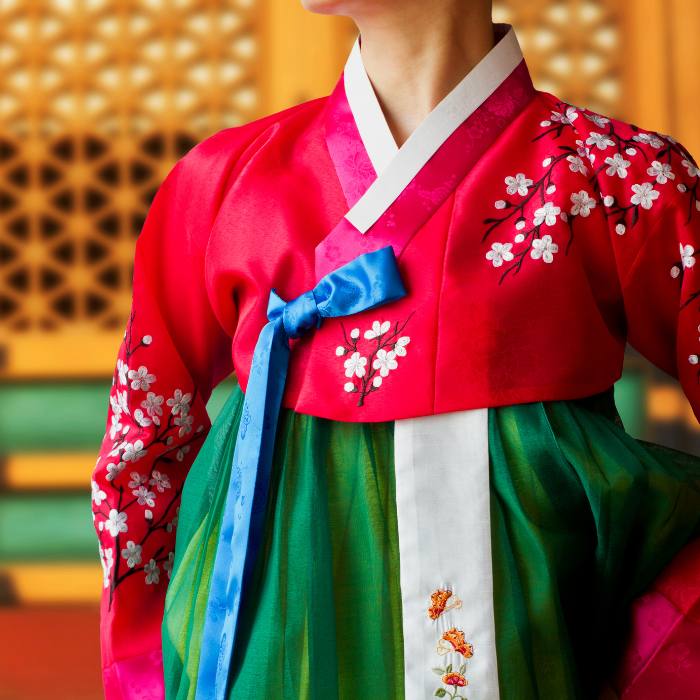
Korean traditional clothing, known as hanbok, remains one of the most iconic symbols of Korean culture and identity. Hanbok stands out with its perfect balance of straight lines and graceful curves. Women’s Hanbok typically features a short jacket (jeogori) paired with a voluminous, high-waisted skirt (chima) that creates a bell-like silhouette. Men’s Hanbok consists of a jeogori with loose-fitting pants (baji).
What immediately catches your eye about Hanbok is its vibrant colors! Traditionally made with natural dyes, Hanbok embraces the five cardinal colors (yellow, blue, white, red, and black), each carrying symbolic meaning in Korean culture. These colors weren’t chosen randomly—they represented social status, age, and even seasons.
The beauty of Hanbok lies in how it moves. The generous fabric creates a flowing effect when walking, almost as if the wearer is floating. This graceful movement reflects the Korean aesthetic appreciation for natural, harmonious motion.
A Living Timeline of Korean History
Hanbok has evolved throughout Korea’s history, with its origins dating back to the Three Kingdoms period (57 BCE-668 CE). Ancient tomb paintings from Goguryeo show early versions of what would become modern Hanbok. During the Joseon Dynasty (1392-1910), when Confucian values strongly influenced society, Hanbok became more standardized and indicated one’s place in the social hierarchy.
The clothing wasn’t just beautiful—it was practical! Designed for Korea’s traditional floor-sitting lifestyle, Hanbok allows comfortable movement whether sitting cross-legged, kneeling, or walking. The wide pants and full skirts accommodate these positions perfectly.
Hanbok in Daily Life: Then and Now
Traditionally, what you wore told others a lot about who you were:
- Colors and patterns signaled your social status. Bright colors like red and blue were reserved for royalty and nobility, while commoners wore more subdued natural tones.
- Age and marital status were reflected in your Hanbok style. Unmarried women wore vibrant colors and simple designs, while married women dressed more conservatively with deeper colors.
- Special occasions called for special Hanbok. Wedding Hanbok featured particularly luxurious fabrics and intricate embroidery, while funerals required specific white attire.
Today, Hanbok has experienced an exciting revival! While it’s still worn during traditional holidays like Seollal (Lunar New Year) and Chuseok (Harvest Festival), and for weddings and special ceremonies, modern designers have created “everyday Hanbok” styles that blend traditional elements with contemporary fashion. This ongoing evolution shows why Korean traditional clothing continues to inspire designers and cultural enthusiasts alike.
Many young Koreans and tourists enjoy “Hanbok experiences,” renting these beautiful clothes for a day to explore historic sites like Gyeongbokgung Palace or stroll through traditional neighborhoods like Bukchon Hanok Village. Some even receive admission discounts at cultural sites when wearing Hanbok!
Returning to my homeland after many years away, I felt a wave of emotion as I watched Hanbok experiencing such a lively revival. In my childhood memories, Hanbok was something we only pulled out of the closet for special occasions like Seollal, Chuseok, or weddings. So it was genuinely fascinating and heartwarming to see today’s designers blending tradition with modern sensibilities to create “everyday Hanbok.” Watching how naturally Hanbok has evolved with the times, I came to appreciate all over again why Korea’s traditional attire continues to inspire so many people.
As I strolled through Gyeongbokgung Palace and the Bukchon Hanok Village, I couldn’t help but notice the foreign visitors dressed beautifully in Hanbok. Watching them rent Hanbok for the day, wander the palace grounds taking photos, and stroll through the alleyways with bright smiles on their faces, I felt an unexpected surge of pride and emotion. Seeing how delighted they were to learn that wearing Hanbok even earns discounted admission at some cultural sites, I felt truly proud that Korean tradition is naturally weaving its way into people’s lives around the world. In that moment, through the beaming smiles of these foreign visitors, I rediscovered the beauty of my own culture – a beauty I had almost forgotten during my time away from home.
Types of Hanbok for Different Occasions
Women’s Hanbok
The basic women’s Hanbok consists of:
- Jeogori: A short jacket with long sleeves and front ties called goreum
- Chima: A high-waisted, full skirt that wraps around the body
- For formal occasions, additional elements like a dangui (formal upper garment) or wonsam (ceremonial overcoat) might be added
Men’s Hanbok
Men wear:
- Jeogori: Similar to women’s but typically longer and less colorful
- Baji: Roomy pants tied at the ankles and waist
- Durumagi: A long overcoat for formal settings
- Po: Various types of outer robes for officials and scholars
Children’s Hanbok
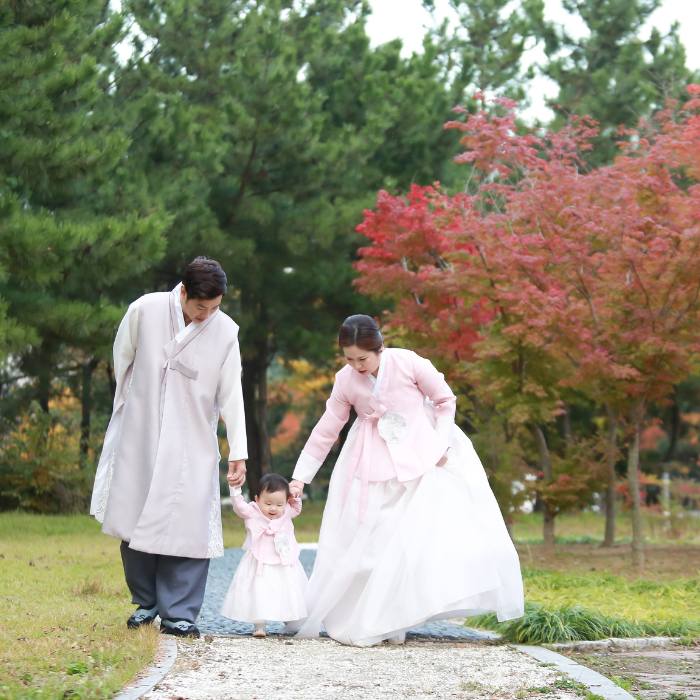
Children’s Hanbok features the same basic elements but adds playful touches like colorful rainbow-striped sleeves called saekdong, which not only look cheerful but were believed to ward off evil spirits.
Fun Facts About Hanbok
- Unlike Western clothing, traditional Hanbok doesn’t have pockets! Instead, people carried small pouches called jumeoni.
- The white collar strip on the jeogori called “dongjeong” needed to be kept pristine clean as it represented personal cleanliness and moral purity.
- The fullness of women’s skirts wasn’t just for aesthetics—it helped conceal the shape of the body, reflecting Korean modesty values.
- Hanbok was designed to be adjusted for different seasons, with unlined versions for summer and padded versions for winter.
Every time I see a Hanbok, I’m struck by just how much of Korea’s artistic soul it seems to hold—the way it blends practicality with beauty, and tradition with innovation, never fails to leave me a little in awe. Whether you’re planning a trip to Korea or simply curious about global cultural traditions, I honestly believe understanding Hanbok opens a window into the Korean way of life, values, and aesthetic sensibilities that have endured for generations. To me, Korean traditional clothing tells a story that words alone could never fully capture.
Have you ever tried wearing Hanbok yourself? I still remember how special it felt the first time I put one on, and if you haven’t experienced that yet, I’d say it’s absolutely worth adding to your cultural bucket list for your next visit to Korea!