If you’re planning a trip to South Korea, you should absolutely visit the Korean DMZ at least once. The Demilitarized Zone (DMZ) between North and South Korea might sound like an unlikely tourist destination, but it offers one of the most fascinating and thought-provoking experiences for travelers to South Korea. Far from being just a military buffer zone, the DMZ presents a unique blend of tense history and unexpected natural beauty that captivates visitors from around the world.
A Living History Lesson
When you visit the Korean DMZ, you’re witnessing history in real-time. This 250-kilometer-long, 4-kilometer-wide strip of land was established after the Korean War armistice in 1953 and remains one of the world’s most heavily fortified borders.
The most striking aspect of a DMZ tour is realizing that the Korean War never officially ended—only an armistice was signed, meaning the two Koreas are technically still at war. This isn’t ancient history; it’s an ongoing reality that shapes the lives of millions of Koreans today.
At Panmunjom, also known as the Joint Security Area (JSA), you can stand just meters away from North Korean soldiers. The blue conference buildings that straddle the Military Demarcation Line (MDL) allow you to literally step across the border while inside—a surreal experience few other places in the world can offer.
An Unexpected Wildlife Sanctuary
Perhaps the most surprising aspect of the DMZ is its transformation into an accidental ecological paradise. With human activity restricted for over 70 years, nature has reclaimed this no-man’s-land, creating a unique wildlife sanctuary.
The absence of development has allowed endangered species to flourish, including:
- Red-crowned cranes
- Korean mountain goats
- Leopard cats
- Musk deer
Birdwatchers particularly treasure the DMZ for its migratory bird populations that find refuge in the undisturbed wetlands and forests. This unexpected silver lining to decades of political tension offers a powerful reminder of nature’s resilience.
Must-See Locations When You Visit the Korean DMZ
Panmunjom (Joint Security Area)
This is where history feels most immediate. Standing in the conference room where diplomatic meetings take place, you’ll be simultaneously in both North and South Korea. The tension is palpable as soldiers from both sides maintain constant vigilance just feet away from each other.
Dorasan Observatory
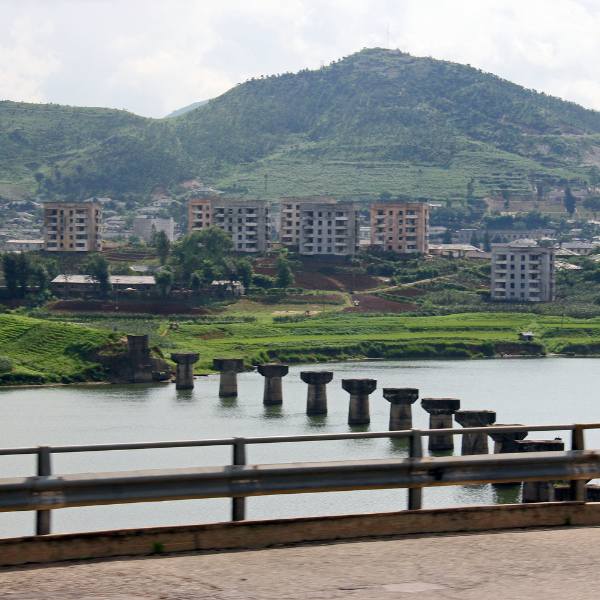
Want to glimpse daily life in North Korea? The observatory provides visitors with binoculars to view North Korean villages and mountains in the distance. On clear days, you might spot farmers working in fields or the propaganda village of Kijŏng-dong with its 160-meter flagpole (once the world’s tallest).
The Third Infiltration Tunnel
One of four known tunnels dug by North Korea (though some believe there may be more undiscovered), this underground passage was designed for a potential surprise invasion of Seoul. Discovered in 1978, it could have allowed thousands of troops to pass under the DMZ in just an hour. Today, visitors can walk through part of the tunnel—though you’ll need to bend down if you’re tall, as it’s quite narrow!
Practical Tips to Visit the Korean DMZ
- DMZ tours must be booked in advance through authorized tour operators
- Bring your passport—security checks are strict
- Follow all guidelines from tour guides and military personnel
- Photography restrictions apply in certain areas
- Dress respectfully (no ripped jeans, revealing clothing, or clothing with political messages)
- Some areas, particularly the JSA, have age restrictions for visitors
A Profound Travel Experience
Unlike many tourist destinations, the DMZ isn’t simply about sightseeing—it’s an opportunity to contemplate divided families, ongoing geopolitical tensions, and hopes for eventual reunification. Many visitors describe their DMZ tour as a sobering but ultimately hopeful experience that deepens their understanding of Korean culture and history.
For me, this experience carries a deeply personal weight. Long before I ever thought about writing on travel, I served as a South Korean Army officer stationed at one of the units guarding this very border. Returning years later, no longer in uniform, I found myself standing near the same fences and guard posts, and what came back to me was more than nostalgia. Seeing the barbed wire and quiet guard towers again stirred the same quiet ache I’ve always carried about my country’s division—a reality that never stops feeling painful, no matter how many years go by. Yet alongside that sadness sits something steadier: a conviction, formed during my service, that the freedom and democracy we have on this side of the line must be protected, whatever it takes. That conviction never really leaves me in ordinary life, but it becomes especially vivid whenever I return to a place like this. Each visit leaves me with a quiet, genuine gratitude—for the generation of soldiers who stood watch here before me, and for the young men and women still standing at these posts today, often unnoticed, so the rest of us can live in peace.
That contrast between watchtowers and wildlife is something I’ve never quite gotten used to, even after all these years. To me, the DMZ was never merely a border to be guarded—it’s the visible scar of a divided people, and yet, walking along it now, I can’t help but feel it also holds a stubborn, quiet hope for peace and reunification someday.
Whether you come as a history buff, a nature lover, or simply someone curious about this divided peninsula, I hope you’ll leave with more than photos—I hope you’ll carry a small piece of what I still feel every time I go back: a deeper respect for what’s been endured here, and for what’s still being protected.