This Korea transportation guide covers everything you need to know before you go. Landing in Korea for the first time — or even your third time — can throw more transportation questions at you at once than you’d expect. Should you buy a Korail Pass or just tap a T-money card? Is SRT actually cheaper than KTX? What’s the fastest way out of Incheon Airport once you’ve cleared immigration? If you’ve stood frozen in front of a ticket machine trying to figure this out, you’re not alone.
Korea’s transportation network is genuinely excellent — fast trains, dense subway lines, cheap buses, and reliable ferries — but it’s built for people who already know how it works. This guide maps out every major transportation option in Korea, from the moment you land to the day you need to cross the country, so you can pick the right one with confidence. This is the first article in our Korea transportation series — the sections below link out to deeper dives on each mode as we publish them.
Table of Contents
- Trains in Korea: KTX, SRT, and the Korail Pass
- From Incheon Airport to Seoul: Your Options
- Seoul’s Subway, Buses, and the T-money Card
- Intercity and Express Buses Between Cities
- Domestic Flights and Ferries for Longer Trips
- Which Transportation Should You Use? A Quick Decision Guide
- FAQ
Trains in Korea: KTX, SRT, and the Korail Pass
Korea has two competing high-speed rail operators, and mixing them up is the single most common mistake foreign travelers make. KTX is run by Korail, the national rail operator, and departs mainly from Seoul Station or Yongsan Station. SRT is run by a separate company, SR, and departs from Suseo Station in southeastern Seoul — useful to know if your hotel is in Gangnam or Jamsil, since Suseo is much closer than Seoul Station.
In practice, SRT tends to run about 10% cheaper than KTX on comparable routes, and because it makes fewer stops, it can shave several minutes off a trip like Seoul–Busan. The trade-off is simply where you board: if you’re staying near Seoul Station or connecting from Incheon Airport via AREX, KTX is usually more convenient; if you’re already in southern Seoul, SRT saves you a trip across town.
One point that trips up a lot of foreign residents: the Korail Pass is a foreign-tourist-only product. If you’ve registered as a long-term resident (six months or more), you’re not eligible to buy one — and even for eligible travelers, the pass only covers KTX and standard Korail trains. It does not cover SRT, the subway, or the express AREX train to Incheon Airport (Korail official pass information). Budget for those separately.
We’ll publish a full KTX-vs-SRT price and schedule breakdown later in this series — for now, the rule of thumb is: check both operators’ apps before you book, since the “cheaper” or “faster” train depends entirely on your route and departure station.
From Incheon Airport to Seoul: Your Options
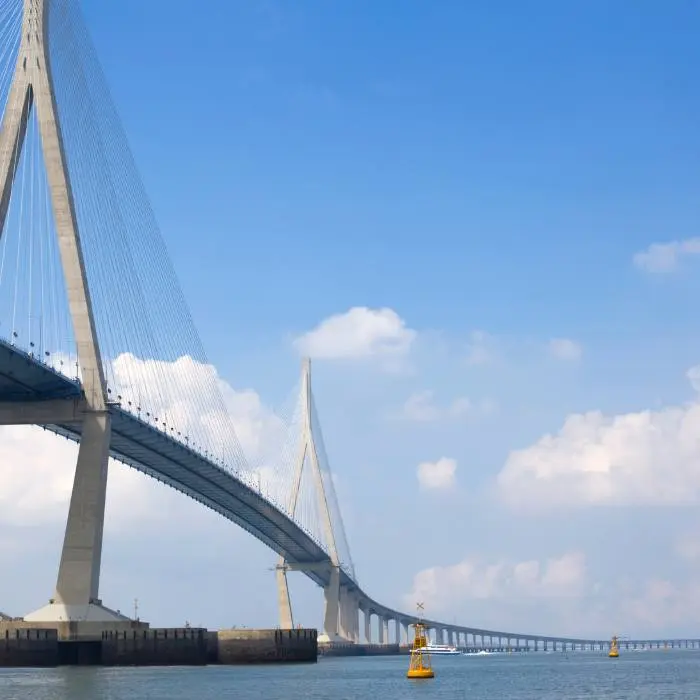
Once you clear immigration at Incheon International Airport, you’ll generally choose between four options to reach the city:
- AREX express train — nonstop from the airport to Seoul Station, the fastest rail option.
- AREX all-stop train — the same line, but it stops at all 14 stations, so it’s slower but noticeably cheaper.
- Airport limousine bus — dozens of routes drop you close to major hotels and neighborhoods, which is often worth the extra time if you’re traveling with luggage or arriving late at night.
- Taxi — the most expensive option but the most flexible, especially for groups or awkward hours.
Fares and schedules shift periodically, so confirm current pricing on the official AREX site before you travel. As a rough guide, the express service takes under 45 minutes to Seoul Station, while the all-stop service costs roughly half as much but takes closer to an hour.
If you want the fuller picture — including why Incheon Airport is worth exploring even before your bags arrive — we covered the terminal itself in Incheon International Airport: Asia’s Premier Gateway to Korea. This Korea transportation guide focuses purely on getting from the terminal to your final destination.
Example: A solo business traveler landing at Gate 1 with a carry-on might take the AREX express to Seoul Station and grab a taxi for the last leg. A family of four with four suitcases is usually better off booking a limousine bus that drops directly at their hotel — no station transfers, no stairs.
Seoul’s Subway, Buses, and the T-money Card
No Korea transportation guide would be complete without the basics of daily commuting. For day-to-day movement, almost everything in Korea runs through one small piece of plastic: the T-money card. It costs about ₩3,000, and you don’t need an Alien Registration Card (ARC) or a Korean phone number to buy one — just walk into a convenience store like GS25, CU, 7-Eleven, or Emart24, or use a vending machine at any subway station.
Load it with cash and tap it on subways, city buses, and most taxis nationwide. One underrated feature: if you transfer between a bus and the subway within 30 minutes, the system treats it as a single trip and only charges you the fare difference, rather than charging you twice.
Subway service isn’t limited to Seoul. According to the Korea Tourism Organization, subways currently run in five metropolitan areas: the greater Seoul area (Seoul, Gyeonggi-do, and Incheon), plus Busan, Daegu, Gwangju, and Daejeon (Korea Tourism Organization transportation guide). Naver Map and Kakao Map are the two apps most foreign residents rely on for English-language subway and bus directions; both work without a Korean phone number.
If you’d rather skip public transit entirely for a given trip, taxis are widely available and metered — we go into detail on hailing apps, fare structures, and etiquette in Your Ride in Korea: A Foreigner’s Guide to Taxis. Worth knowing upfront: Western ride-hailing apps like Uber don’t function normally in Korea, so most riders use Kakao T or k.ride instead.
Short-term visitors who plan to ride constantly for a few days may also want to look at M-PASS or WOWPASS — unlimited-ride passes sold specifically to foreign travelers, which can be worth it if you’re doing four or more rides a day.
Intercity and Express Buses Between Cities
Trains don’t reach every town in Korea, and even where they do, buses are often cheaper. Korea splits intercity travel into two bus categories: gosok bus (express bus), which runs nonstop between major cities on the highway, and siwoe bus (intercity bus), which makes more stops along the way and reaches smaller towns that trains skip entirely.
Booking has historically been the sticking point for foreign travelers, since Korea’s main booking platform, Kobus, hasn’t accepted overseas-issued cards for online reservations. That’s changing — Kobus has announced plans to begin accepting international cards for express bus bookings around August 2026, with intercity bus bookings following later that year. Rollout timing for foreigner-friendly features like this tends to shift, so check the official Kobus site close to your travel date rather than assuming a specific launch date. Until then, buying a ticket in cash at the terminal counter remains the most reliable option.
If you’re driving or riding a highway bus for a longer stretch, Korea’s rest stops are an attraction in their own right — we cover why in Beyond the Pit Stop: Why Korea’s Highway Rest Areas Are a Must-Visit!
Domestic Flights and Ferries for Longer Trips
For longer hops — especially to Jeju Island — flying is often faster and not much pricier than the train-plus-ferry alternative. Low-cost carriers like Jin Air, T’way, and Air Busan compete directly with Korean Air and Asiana on domestic routes, and prices swing significantly with the season, so booking a few weeks ahead for peak travel periods (summer, Chuseok, Lunar New Year) pays off. We’ll compare specific routes and carriers in a dedicated guide later in this series.
International ferries are another option many foreign residents overlook. The Camellia Line connects Busan and Fukuoka, and several routes link Incheon to Chinese ports including Weihai, Qingdao, Dandong, Rongcheng, Yantai, and Lianyungang. Schedules and even route availability on these ferries change more often than flights do — some routes have suspended service for extended periods in recent years — so always confirm current sailing days and times directly on the operator’s site (for example, Korea Ferry / Camellia Line) before booking. We’ll go deeper on ferry routes, pricing, and what to expect onboard in a future post in this series.
Which Transportation Should You Use? A Quick Decision Guide
Use this quick-reference table from our Korea transportation guide to match your situation with the best option in seconds.
| Your situation | Best option |
|---|---|
| Landing at Incheon, heading to a Seoul hotel with luggage | Airport limousine bus |
| Landing at Incheon, heading straight to Seoul Station | AREX express train |
| Seoul to Busan for a weekend | KTX or SRT (compare both before booking) |
| Getting around Seoul day-to-day | T-money + subway/bus |
| A short trip, awkward hours, or a group of 3–4 | Taxi (Kakao T or k.ride) |
| Reaching a smaller town off the rail network | Intercity (siwoe) bus |
| Jeju Island | Domestic flight |
| Weekend trip to Fukuoka or coastal China | International ferry (confirm current schedule first) |
FAQ
Still have questions? Here are quick answers to the things this Korea transportation guide gets asked most often by foreign visitors.
Do I need a Korean phone number to use T-money or transit apps?
No. You can buy a physical T-money card with cash at any convenience store, and apps like Naver Map and Kakao Map work for directions without a Korean number.
Can foreign residents buy the Korail Pass?
No — it’s reserved for foreign tourists. If you’ve been registered as a resident in Korea for six months or more, you’re not eligible to purchase one.
Is Uber available in Korea?
Not in any meaningful way. Most riders use Kakao T or k.ride instead, both of which have English-language interfaces.
What’s the fastest way from Incheon Airport to Gangnam?
The AREX express train to Seoul Station followed by a taxi or subway transfer, or a direct limousine bus route to Gangnam — expect roughly 60–75 minutes depending on traffic and connections.
Do I need cash for buses and taxis?
Not usually — T-money covers subways, most city buses, and most taxis. Intercity and express buses, and some smaller-town taxis, are still more cash-friendly for foreign-card users.
Conclusion: Your Korea Transportation Guide Recap
Korea’s transportation system rewards a little preparation: once you know which train departs from which station, which card to carry, and which app to open, getting around stops feeling like a puzzle. If you’re relocating to Korea and want more than a tourist’s grasp of the system — from choosing a neighborhood near the right subway line to planning your daily commute — AMP Interpro’s Cultural Exchange & Immersion programs and relocation support can help you settle in with confidence. Talk to our team about what a smooth move into Korea can look like.



2 Comments
Comments are closed.