
Korea rental housing for foreigners is a growing topic as South Korea rapidly transforms into a nation of single-person households. In 2024, more than 1 in 3 households in Korea consisted of just one person — a growing trend driven by changing lifestyles, work patterns, and global mobility. But for foreign nationals living in or moving to Korea, finding stable and affordable housing can be confusing, especially with cultural and legal differences.
The good news? Rental housing — both public and private — is becoming a flexible, accessible option not just for Koreans, but increasingly for foreign residents as well.
Let’s break down how Korea rental housing for foreigners works, what options are available, and how you can benefit from the evolving housing market.
Why Rental Housing Is Gaining Popularity in Korea
In the past, owning a home was considered essential in Korean society. But skyrocketing housing prices, job mobility, and lifestyle changes are leading many — especially young people, professionals, and expats — to prefer long-term rentals.
Recognizing this shift, both the Korean government and private companies are creating new rental models that are:
- More stable (multi-year lease contracts)
- Better serviced (furnished, with maintenance support)
- More inclusive (available to foreigners)
- Located in accessible urban areas
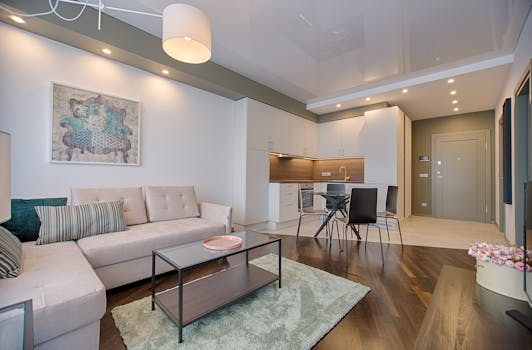
Korea Rental Housing for Foreigners: Available Options
1. Private Rental Housing
- Owned and leased by individuals or companies
- Includes apartments, officetels, villas, and share houses
- No nationality restrictions — foreigners can freely rent
- Contracts usually last 1 or 2 years (renewable)
- Rental forms:
Tip: Always have a written contract, and if possible, register your lease with the local government to protect your rights.
2. Public Rental Housing
- Managed by the Korea Land & Housing Corporation (LH) or Seoul Housing & Communities Corp (SH)
- Offers affordable housing with stable leases (4–20 years)
- Usually reserved for Korean citizens, but some exceptions exist for:
- Long-term visa holders (F-2, F-5)
- Foreigners married to Korean nationals
- Foreign students (in special programs)
- Application involves eligibility screening (income, assets, visa status)
Most public rental housing programs are not open to short-term residents or those on tourist visas.
3. Publicly Supported Private Rental Housing
- A hybrid model combining private housing with public support
- Available to broader groups, including some foreigners
- Features:
- Long-term lease (8–10 years)
- Rental price below market average
- Located in new urban development areas
- Some units are foreigner-friendly with English service support
- Application via online platforms (e.g., LH청약센터, SH공사)
Who Can Apply? (As a Foreigner)
| Type of Housing | Foreign National Eligibility |
| Private Rentals | Yes (no restriction) |
| Public Rentals (LH, SH) | Limited (only with long-term visa, or special status) |
| Publicly Supported Private Rentals | Some programs allow foreigners |
| Corporate Lease Housing | Yes (through employer or expat relocation agencies) |
To qualify for public or semi-public rentals, you may need:
- A valid Alien Registration Card (ARC)
- A visa allowing long-term stay (e.g., F-2, F-5, D-2 for students)
- Proof of income or employment in Korea
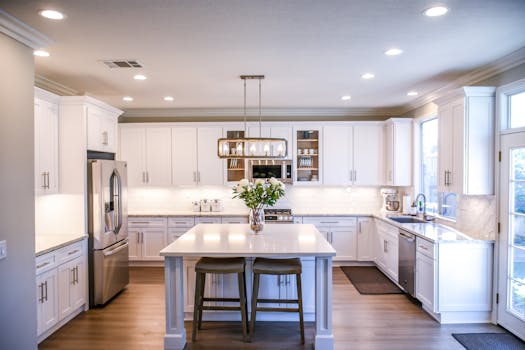
Where to Find Rental Housing as a Foreigner
- Korea Housing Lease Portal: https://www.oneroom.co.kr – English support available
- Zigbang, Dabang, Peterpan House – Popular mobile apps for onerooms and officetels
- LH / SH Housing Websites – For applying to public housing (Korean only, but some offer English FAQs)
- Foreigner-specific Real Estate Agents – Especially in Seoul, Busan, and major university towns
What Should You Prepare?
Before signing a lease in Korea, prepare:
- Passport + ARC
- Visa status confirmation
- Proof of employment / university enrollment (if applicable)
- Korean phone number (often required)
- Korean bank account (for deposits/rent)
Most landlords require:
- 1–2 months’ rent deposit
- Real estate agency fee (0.2–0.9 months’ rent)
- Maintenance fees in apartments (for elevator, security, cleaning)
Bonus: Why Korea Is Improving Housing Access for Foreigners
The Korean government sees international residents — students, workers, investors — as important contributors to the economy and culture. As of 2024, over 2.2 million foreigners live in Korea, and demand for housing is rising.
To support this, there are increasing efforts to:
Expand foreigner-inclusive housing
Provide English-language housing guides
Offer consultation support for expats
Business Consultant’s Note
From a business and market perspective, this trend is more than a lifestyle shift — it’s a structural opportunity. Korea’s rising number of single-person households (over 1 in 3 by 2024), combined with a foreign resident population that has surpassed 2.2 million, points to sustained demand for flexible, foreigner-friendly rental products.
Private rentals remain the easiest entry point for foreigners, but they also carry the highest information-asymmetry risk. Recent “jeonse fraud” cases in Korea have shown how costly an unprotected deposit can be, especially for tenants unfamiliar with local property registries. Public and publicly-supported rentals offer stronger long-term stability, but eligibility is tightly linked to visa status — a detail that relocation agencies, employers, and universities could turn into a clear service advantage by offering a simple “visa-to-eligibility” guide for their foreign clients or staff.
For companies operating in this space, pairing housing search support with deposit-protection guidance is no longer just a value-add — it’s becoming a baseline expectation for building trust with international tenants.
Practical Tips for Foreigners
- Before signing a jeonse contract, request the property’s registry extract (등기부등본) to check ownership and existing liens.
- After signing, complete your move-in report (전입신고) and get a fixed date stamp (확정일자) on your contract for legal priority to recover your deposit.
- If you’re targeting public housing (LH/SH), confirm your visa type (F-2, F-5, D-2, etc.) and prepare your Alien Registration Card early, as waiting lists can be long.
- Set up a Korean bank account and phone number before you start apartment hunting — most landlords and agencies require both.
- Budget beyond the deposit: agency fees (0.2–0.9 month’s rent) and monthly maintenance fees can add up.
- Combine apps like Zigbang, Dabang, or Peterpan with a foreigner-friendly real estate agent, especially if your Korean isn’t fluent yet.
- Always get a written contract, and ask for an English translation or summary before signing so you fully understand the terms.
Tip: Consider HUG’s Lease Deposit Guarantee Insurance (전세보증금 반환보증) — it’s one of the most effective ways to protect your deposit as a foreign tenant.
Final Thoughts
Having worked closely with foreign students, professionals, and families searching for housing in Korea, I’ve seen firsthand how intimidating this process can feel at first — and how manageable it becomes once you understand the system. You don’t need to own property or speak perfect Korean to find a safe, comfortable home here; you just need the right information and a little preparation.
I genuinely believe the future of housing in Korea is renter-friendly, and I’m glad to see foreigners increasingly included in that vision.
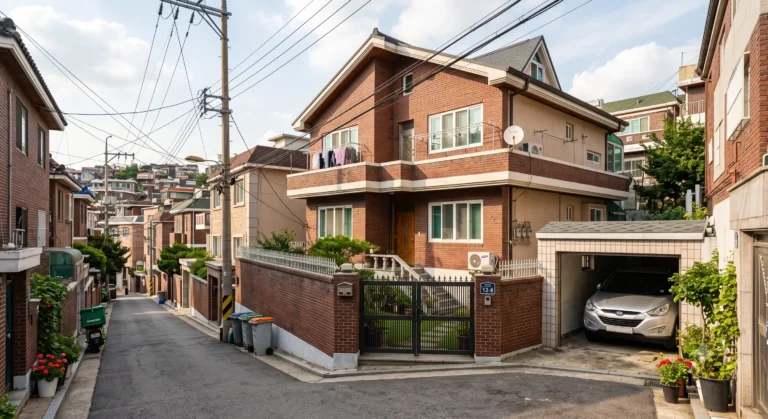
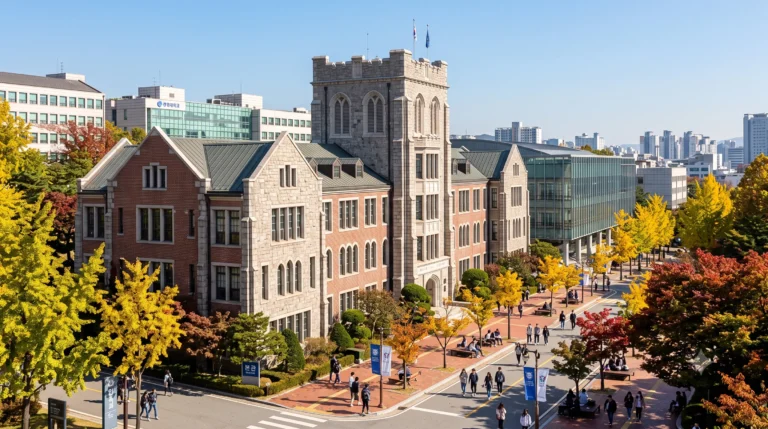

Thanks for breaking down Jeonse and Wolse so clearly—those terms can be really confusing for newcomers. It’s encouraging to see that rental options are becoming more foreigner-friendly in Korea’s evolving housing market.
Thanks so much for the wonderful comment! It makes me really happy that my article helped clarify Jeonse and Wolse for you. I’m hoping the complex Korean housing market becomes even more accessible for foreign residents, and I’ll definitely keep sharing valuable tips going forward. Keep an eye out!