
Last month, I finally carved out a free afternoon to visit Seoul Forest Park myself, and I’m so glad I did. Tucked into Seongdong-gu along the Han River, this sprawling 1.16-million-square-meter park (about 289 acres) opened back in 2005, and walking through its gates felt like stepping out of the city’s noise into a completely different rhythm. As someone living in Seoul who often craves a break from the concrete, I want to share exactly what I saw, felt, and learned during my visit, along with why I now recommend it to almost everyone who asks me what to do in Seoul.
Why I Fell in Love with Seoul Forest Park
From the moment I stepped in, it was clear that Seoul Forest is more than just a park – it’s a lively community hub where nature and culture blend together naturally. As I wandered through its five distinct zones, I kept running into wildlife, families picnicking, couples cycling, and small groups gathered for workshops. Here’s what stood out to me most during my visit:
1. Five Unique Zones I Explored
I spent almost an entire day wandering between the park’s five themed areas, and each one had its own distinct personality:
- Cultural Art Park: I caught part of an outdoor performance here, with a small stage and rotating art exhibitions drawing a relaxed crowd.
- Ecological Forest: I got lucky and spotted deer and pheasants near the wetlands, which felt surreal for a spot this close to downtown Seoul.
- Nature Experience Learning Center: I watched a group of children take part in a hands-on nature program here, and it made me appreciate how valuable this space is for younger visitors.
- Han River Waterfront Park: I rented a bike along this stretch and rode beside the river for almost an hour, one of the most peaceful rides I’ve had in the city.
- Sports and Amenities: Families all around me were making full use of the playgrounds and picnic areas nearby.
2. A Nature Lover’s Paradise – and a Wonderful Classroom for Kids
One thing I didn’t expect was how much this park doubles as an outdoor classroom. I saw several families with young children stopping at information boards about local birds, insects, and plants, and a few kids were sketching leaves during a guided nature walk. If you’re traveling with children, I’d genuinely recommend Seoul Forest – it’s one of the few places in the city where kids can observe a real, functioning ecosystem up close, from ponds with fish and frogs to wetlands buzzing with insects and deer roaming semi-freely through the trees. It’s hands-on environmental learning that’s hard to replicate in a classroom, and from what I saw, it leaves a much deeper impression on children than a textbook ever could.
3. Year-Round Events and Festivals I Experienced
I happened to visit during the summer, so I got to experience a few of these events first-hand, while chatting with park staff and volunteers helped me piece together what the rest of the year looks like. Seoul Forest is clearly a hub for events that draw both locals and tourists, and highlights include:
- Spring (March-May): I’m already planning a return trip for this – cherry blossoms and tulips are said to transform the park into a floral wonderland, with the Cherry Blossom Festival drawing crowds along the Cherry Blossom Path, plus traditional music, food stalls, and family activities like kite-flying.
- Summer (June-August): This is when I visited, and I can vouch for the lush greenery and blooming irises and peonies. I stumbled onto a Hydrangea Garden Workshop and watched kids splashing around at the Water Play Event by the Cultural Art Park’s ground fountain, while an evening acoustic set played nearby with food trucks serving iced drinks and churros.
- Autumn (September-November): Park staff told me the Seoul Forest Jazz Festival is a major highlight, featuring local and international artists on outdoor stages alongside BioBlitz citizen-science activities and photography walks through the Ginkgo Tree Forest.
- Winter (December-February): I’ve seen photos of the WINTERLIGHTS Media Exhibition at the Family Courtyard, with 80,000 interactive LEDs and upside-down Christmas trees, and I’m hoping to catch it along with a Winter Ecology Tour on my next visit.
For the latest event schedules, check the official website: Seoul Forest Park.
4. Community-Driven Spirit I Felt First-hand
Talking with a couple of volunteers near the Ecological Forest, I learned that more than 100,000 people have volunteered here since the park opened, and you can feel that sense of ownership everywhere. It doesn’t feel like a park the government simply built and left behind, it genuinely feels like something the community has helped grow, quite literally.
5. My Honest Take: Seoul’s Own Version of Central Park
Having spent time in New York before, I couldn’t help but compare Seoul Forest to Central Park while I was walking through it. Central Park acts as New York’s green lungs, a gathering place, and a cultural stage all at once, and in my opinion, Seoul Forest plays almost the exact same role for Seoul. It gives a dense, fast-moving city a real breathing space right in the middle of everything, and just like Central Park, it hosts concerts, festivals, and community events that turn it into a cultural landmark just as much as a natural one. Personally, I think having a park like this at the heart of a megacity says a lot about how well a city balances growth with livability, and Seoul Forest handles that balance beautifully.
Top Things I Did in Seoul Forest
- Strolled Through Nature: I wandered the trails and spotted wildlife along with seasonal flowers.
- Caught Part of a Festival: I happened to be there during a small community event and loved the atmosphere.
- Cycled Along the Han River: I rented a bike and explored the scenic waterfront paths.
- Sat In on a Workshop: I joined part of a gardening session and picked up a few tips.
- Had a Picnic: I brought a blanket and enjoyed a quiet meal in one of the park’s open spaces.
Practical Tips from My Visit
- Rules: No tents, drones, or unleashed pets, to protect the park’s ecosystem.
- Location: Seongdong-gu, Seoul (near Ttukseom Island).
- Access: I got there easily via subway, Seoul Forest Station (Bundang Line, Exit 2) or Ttukseom Station (Line 7, Exit 8).
- Admission: Free.
- Hours: Open 24/7, though some facilities have specific hours.
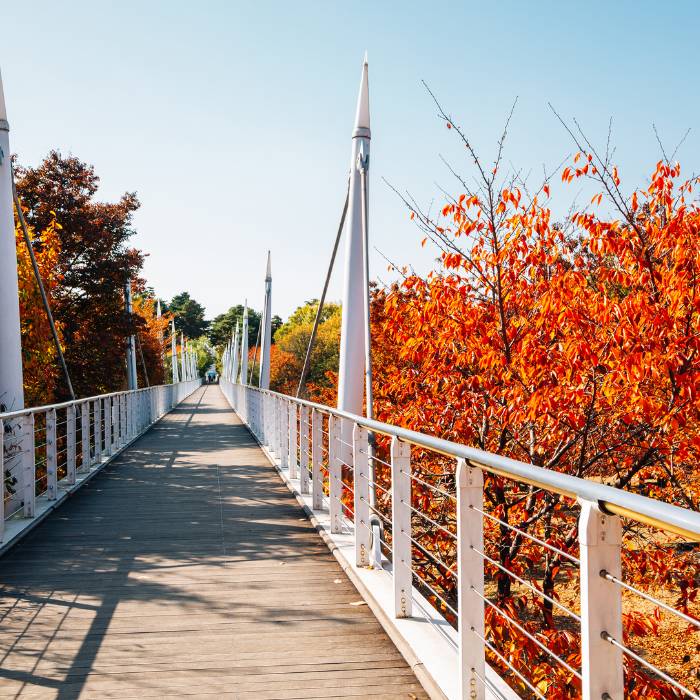
- Best Time to Visit: Spring for cherry blossoms, autumn for foliage and festivals.
- What to Bring: Comfortable shoes, picnic supplies, and a camera, I was glad I brought all three.
- Parking: Limited, I’d recommend public transport instead.
2025 Special Events to Watch For
While I was there, I noticed banners marking the park’s 20th anniversary since opening in 2005, and staff mentioned plans for a large-scale celebration later this year. The park is also expected to host events tied to the Seoul International Garden Expo (May-October, at Ttukseom Han River Park), with garden workshops and pop-up displays. On top of that, smaller fan-organized gatherings, ecological programs, and seasonal markets keep popping up year-round. For the latest event schedules and detailed information, visit the official website: Seoul Forest Park.
Why I Recommend Seoul Forest Park
After spending a full day there, I can honestly say Seoul Forest Park earned a permanent spot on my list of favorite places in Seoul. It’s rare to find a space in the middle of a major city that manages to be a genuine nature reserve, a hands-on learning ground for kids, and a full-blown cultural venue all at once. For me, it plays much the same role that Central Park plays for New York, a shared green heart that the whole city gathers around. I’d especially recommend it if you’re traveling with children, since watching them engage with real wildlife and ecosystems up close is worth more than any classroom lesson. And because there’s almost always a festival, workshop, or exhibition happening somewhere in the park, it’s worth checking the events calendar and timing your visit around one of them. Pack your walking shoes, grab a picnic, and go discover the green heart of Seoul for yourself, I don’t think you’ll regret it.
One Comment